
- Faculty: JAMES RASMUSSEN
Category: Geography

Survey of World History from 1500 to the present. Major topics covered include the development and rise of the world’s great religious and philosophical traditions, nascent globalization of the post-Columbian Era, the rise and fall of colonial empires, modern ideologies and world wars, the post war era, and great acceleration.

Survey of World History from 1500 to the present. Major topics covered include the development and rise of the world’s great religious and philosophical traditions, nascent globalization of the post-Columbian Era, the rise and fall of colonial empires, modern ideologies and world wars, the post war era, and great acceleration.
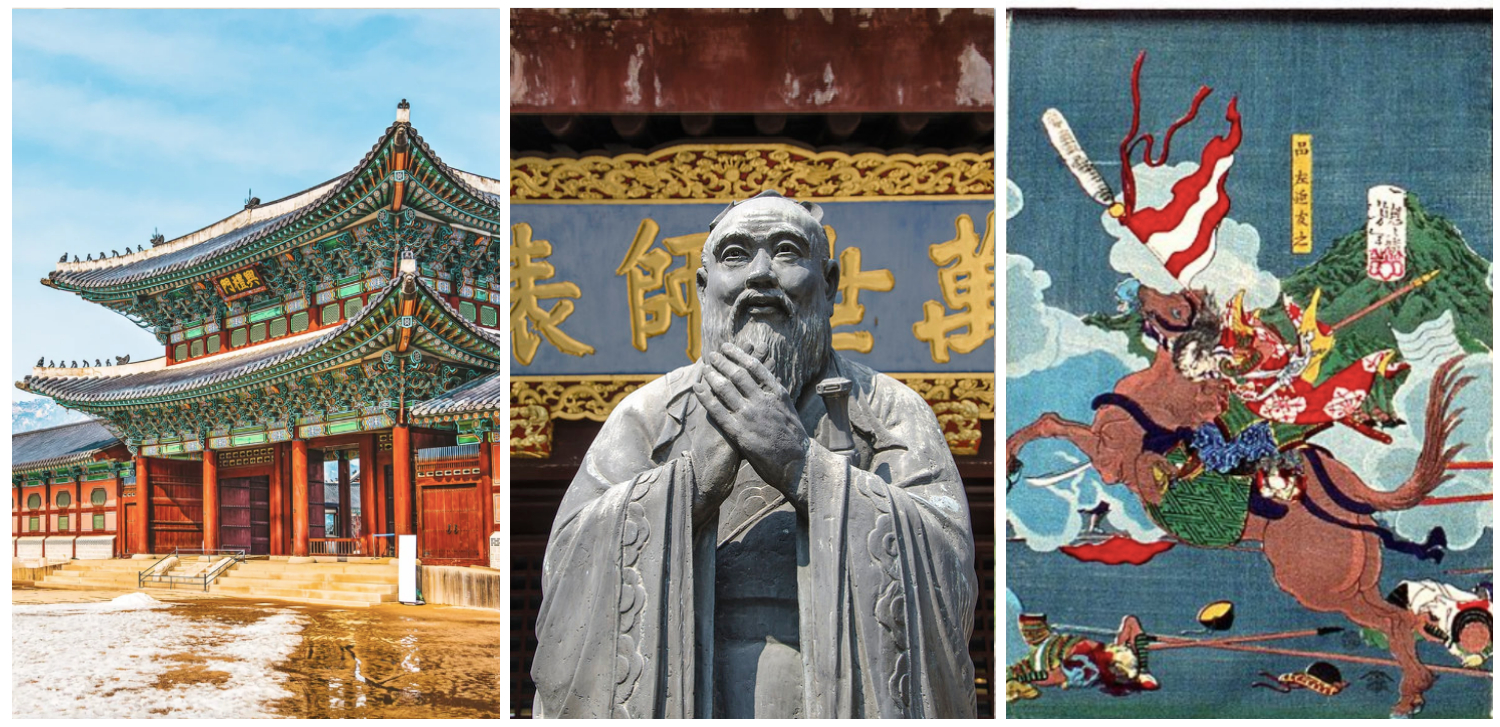
A study of the cultural, political, and economic development of China with emphasis on the 19th and 20th centuries. Special topics include Confucianism, Daoism, Buddhism, European imperialism, the Communist Revolution, and U.S.-China relations.

An introduction to the fitness center and overview of weight training principles. This course is designed to help build a basic understanding of weight room etiquette, machine and free weight usage, weight training theory and practice, and implementation for self-improvement. Exercise knowledge, personal accountability, and self-confidence in the fitness center will be a primary focus of the course. Students will range from beginners to advanced. Requisites: None.
KIN 201: Introduction to theory and methods of first aid including CPR and other emergency techniques and procedures. The American Red Cross Emergency Medical Response course is offered.
KIN 202: Emergency Medical Response semester B - Recertification Prerequisite: KIN 201.
KIN 201: Introduction to theory and methods of first aid including CPR and other emergency techniques and procedures. The American Red Cross Emergency Medical Response course is offered.
KIN 202: Emergency Medical Response semester B - Recertification Prerequisite: KIN 201.
KN 220: Medical Terminology The medical terminology course is a two credit hour course designed for students who need a medical terminology course to fulfill an admissions requirement to a health professions program. This course will also fulfill any other student who needs an in depth course in the “language of medicine”.
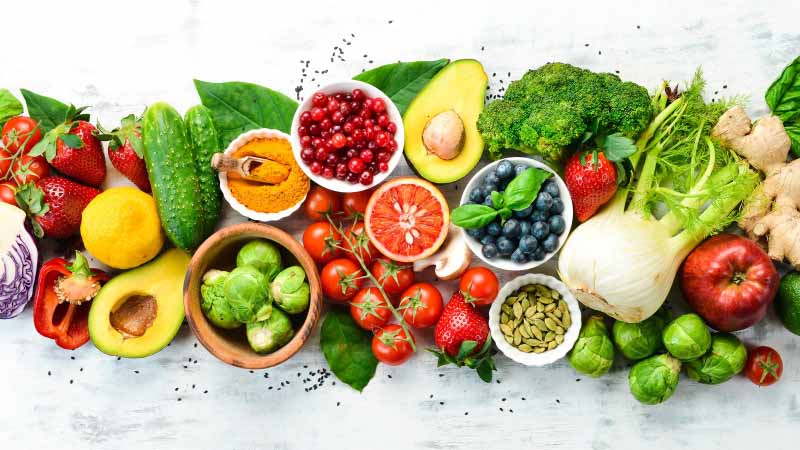
An introduction to the basic principles of nutrition with an emphasis on the role that nutrition plays in the physiological response to exercise in sport. This includes the composition of pre, during and post physical activity meals, the role that nutrients play in performance, disordered eating, and food as an ergogenic aid. The students will engage in group activities designed to enhance trainer/client to clinician/patient verbal and written communication, construct nutrition plans based on individual needs and be able to explain the relevance of their choices based in evidence found in research.

The study of acute and chronic physiological responses to exercise and sport. Emphasis will be placed on informing students about bioenergetics, exercise metabolism, energy expenditure, neuromuscular and endocrine response, and cardiovascular and pulmonary adaptations to training. Accompanying laboratory activities will enable students to practice a deeper understanding of heart function (sphygmomanometry), lung function (spirometry), blood lactate accumulation (lactate threshold), anaerobic fitness (Wingate), and maximal oxygen consumption (VO2max). Lab required. Requisites: BIO-115 (Human Biology) or BIO-155 (Human Anatomy & Physiology I) with a grade of C- or higher - Must be taken either prior to or at the same time as this course.

The study of acute and chronic physiological responses to exercise and sport. Emphasis will be placed on informing students about bioenergetics, exercise metabolism, energy expenditure, neuromuscular and endocrine response, and cardiovascular and pulmonary adaptations to training. Accompanying laboratory activities will enable students to practice a deeper understanding of heart function (sphygmomanometry), lung function (spirometry), blood lactate accumulation (lactate threshold), anaerobic fitness (Wingate), and maximal oxygen consumption (VO2max). Lab required. Requisites: BIO-115 (Human Biology) or BIO-155 (Human Anatomy & Physiology I) with a grade of C- or higher - Must be taken either prior to or at the same time as this course.
This course is designed to develop the knowledge, skills and confidence needed to teach group exercise classes in a fitness setting. Students will learn about exercise modalities, cueing, transitions, music selection and tempo. AFAA certification is included.

This course will help students navigate through the vast network of online/social media based fitness trends to identify quality activities and exercises. Students will formulate appropriate and well-developed questions, apply an investigative approach to answer the questions using sound rationale, synthesize the available scientific literature, and establish educated conclusions in their search for health and fitness truths. As a writing intensive course, students will have several opportunities to reflect on interviews and content across platforms, source and scrutinize current information, and construct personalized social media information philosophies as they relate to the health and fitness industry. Prerequisites: None.

Practice the skills necessary for competency as a strength and conditioning specialist with topics covering program design, body position and form instruction, coaching cues, and technique correction. Students will be given the opportunity to master their skills and communication with the senior capstone project which includes a one-on-one interview with an assigned student-athlete/classmate to develop a needs analysis, exercise selection, warm-up progression, pre- and post-test assessment, and micro-, meso-, and macrocycle. Students can then take ownership in their project by delivering their five-week mesocycle to their assigned student-athlete/classmate as they become a real strength and conditioning specialist. At the conclusion of this course, students will be prepared to take the National Strength and Conditioning Association's Certified Personal Trainers (NSCA-CPT) and Certified Strength and Conditioning Specialists (CSCS) exams. Requisites: KIN431 - Basic Strength & Conditioning must be completed prior to taking this course. KIN1020 - Weight Training, KIN201 - Emergency Medical Response, and KIN235 - Exercise Physiology must be taken either prior to or at the same time as this course.

Students will practice their understanding of exercise prescription for children and adolescents, older adults, pregnancy, low back pain, patients with cardiac, peripheral, cerebrovascular, and pulmonary disease, individuals with metabolic disease and cardiovascular disease risk factors, and populations with other chronic diseases and health conditions. Mastery will come from translating client goals and initial assessments to exercise program design and prescription. Students will be able to competently demonstrate and deliver a range of exercise modalities using professional skills and communication and alter the exercise prescription based on the client's needs. At the conclusion of this course, students will be prepared to take the American College of Sports Medicine's Certified Personal Trainers (ACSM-CPT) and Certified Exercise Physiologists (ACSM-EP) exams.